SaaS backlinks are links from other sites to your software company’s pages: the homepage, feature pages, blog posts, free tools, comparison pages. Most companies get them through integrations, free tools, original data, guest posts, link insertions, and review site listings. Nine methods follow, roughly in order of effort.

Why this niche is harder than most
A local plumber gets links from the chamber of commerce and a couple of city blogs. Nothing like that exists for software. Your product is abstract, your buyers come from every industry, and the sites that could link to you have no reason to unless you hand them one.
So you start by making something worth linking to. A tool, a study, a template, an honest comparison. The product page gets links later, when the useful page points to it or when readers search your brand after seeing it mentioned.
Sales cycles are slow, too. Someone reads your guide today and signs up three months from now. Because of that, I’d build links to blog content and money pages at the same time.
New to all this? Start with our complete guide to link building.
1. Get listed where buyers compare software
G2, Capterra, and Product Hunt rank for plenty of commercial searches, and their listings link to your site. Some of those links are nofollow, so don’t expect a ranking jump. What you get is trust and referral traffic from people who are mid-comparison. Fill in every field, upload screenshots, ask customers for reviews. A half-empty listing looks worse than none.
2. Build integration pages and partner pages
Does your product connect to Slack, HubSpot, or Shopify? Then that platform probably runs a marketplace, and a listing there is a relevant link from a big brand. Give each integration its own page on your site too, and ask the partner to link to it from their docs. Most will say yes, since it helps their users.
3. Create a free tool or calculator
People link to tools. An ROI calculator, a pricing estimator, a subject line checker, a template generator. Pick one small problem and solve it properly. Put it on a clean URL on your own domain, outside any signup wall, and write a few paragraphs under it so search engines have text to read.
4. Publish original data from your own product
Your usage data belongs to you alone, and reporters like a fresh number. A project management tool might know how long tasks stay open across teams. An email platform might see patterns in send times. Every citation is a link. Check your privacy terms first, and share only aggregate findings that can’t be traced to one customer.
5. Guest post on blogs your buyers read
The host site has to share your audience. A project management tool gets more from a post on a site for agency owners than from a general business blog with a better domain rating, even though the second one looks nicer in a spreadsheet.
Pitch things you know firsthand. Write the post as if it were going on your own blog, and keep it to one or two contextual links. Our guest posting guide has the steps.
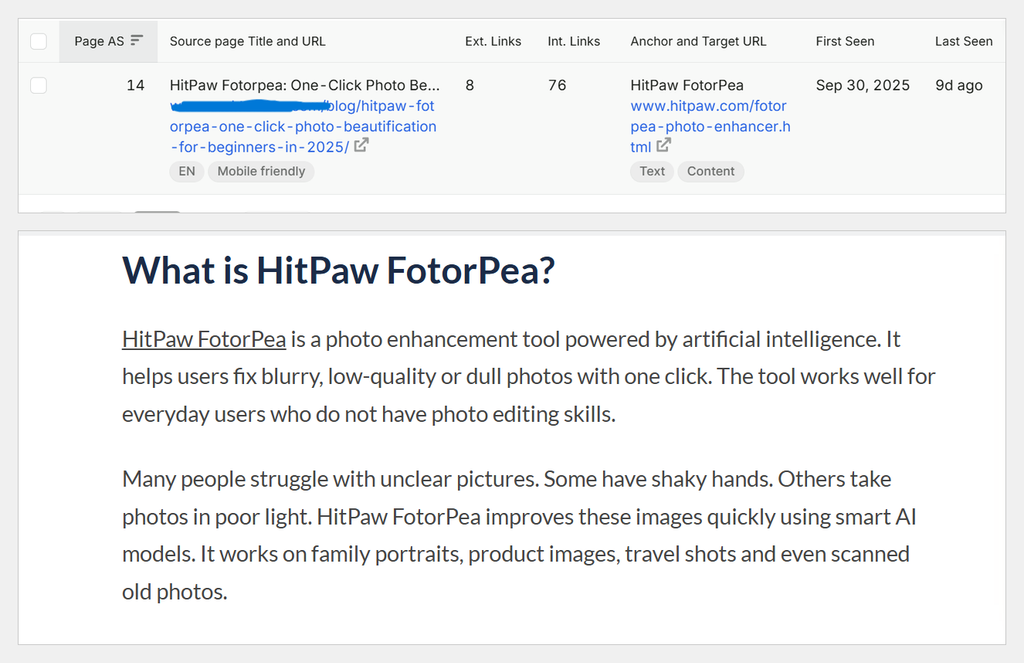
Example of a contextual backlink our team built for a software product. Host site hidden
6. Use link insertions in existing articles
A link insertion puts your link into an article that already ranks and already has readers. For SaaS, think roundups, how-tos, and tool comparisons in your category. The page has history, so the link can start working sooner than one on a brand new post. Which route fits depends mostly on budget, and niche edits vs guest posts breaks it down.
7. Write alternative and comparison pages
“Slack alternatives.” “Asana vs Trello.” People who search these are close to buying. Review blogs and roundups link to pages that give a neutral breakdown, so write one. Add a real feature table, admit where the competitor wins, and update it when either product changes. If it reads like an ad, nobody links to it.
8. Go on podcasts and webinars
Hosts nearly always link to guests in the show notes. Pick shows about your customer’s industry over general startup shows. Bring two or three specific customer stories, and tell the host which page you want linked.
9. Reclaim unlinked mentions
Search your product name next to words like review, tutorial, or alternative, and set up alerts. If someone mentions you without a link, a short friendly email usually gets one added, because they already know the product. Include the exact URL.
How many backlinks do you need?
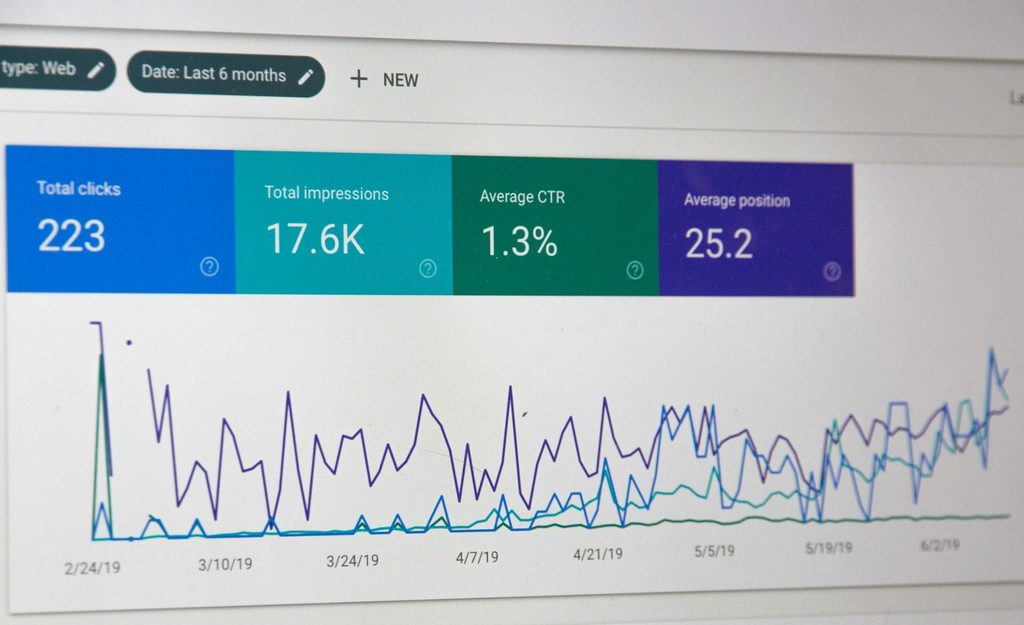
No fixed number. Search your target keyword, open the top five results in Ahrefs or Semrush, and compare referring domains. If they have 40 and you have 3, that’s your gap. Relevance beats volume. A few links from sites in your industry usually do more than a pile from unrelated blogs.
Mistakes I’d avoid
Sending every link to the homepage. Blog posts, tools, and product pages need links too, since those are the pages that rank for specific searches.
Buying from private blog networks. Google’s spam policies call links made to manipulate rankings link spam, and paid links should carry the sponsored or nofollow attribute.
Repeating the same exact-match anchor over and over. Mix brand names, page titles, and plain descriptive phrases instead.
A 90-day plan
Month one is groundwork. Finish your directory listings, set up integration pages, pick two or three pages that deserve links.
Month two: publish one linkable asset (a calculator or a data study) and start guest posting on three to five relevant sites.
Month three, add link insertions, chase unlinked mentions, and look at Google Search Console and your backlink tool. Whatever gained impressions and referral visits, do more of it.
If you’d rather hand off the outreach, LinksOptimized handles guest posts and link insertions for SaaS companies. You can request a free audit to see where your link profile stands.

Frequently asked questions
Do SaaS companies need backlinks to rank?
For competitive keywords, yes. Low competition searches can rank on content alone, but the big commercial terms belong to companies that have been collecting links for years.
What’s the best type of backlink?
A contextual link from a relevant industry site. Integration and partner links come close.
How long does it take to work?
Three to six months before you judge a campaign, longer for very competitive keywords. Links have to be found and processed first, and rankings move slowly.
Are directory links worth it?
For referral traffic and credibility, yes. For rankings, don’t count on it.
Is it safe to buy backlinks?
Paid links meant to influence rankings go against Google’s guidelines. Placements on real sites with editorial standards are less risky than link networks, but nobody can promise zero risk, so walk away from any vendor who does.
